Concrete Franklin TN is known for its strength, durability, and ability to withstand years of heavy use, making it one of the most trusted building materials for homes and commercial properties. However, even the toughest concrete surfaces are not immune to the effects of time, weather, moisture, and everyday wear. Small cracks, uneven sections, and surface damage may seem harmless at first, but they can gradually develop into larger structural concerns if left untreated. Timely concrete repairs help restore both the appearance and functionality of these surfaces while extending their lifespan. Understanding how concrete repairs work and why they matter allows property owners to protect their investment and avoid more costly restoration projects in the future.
What Are Concrete Repairs?
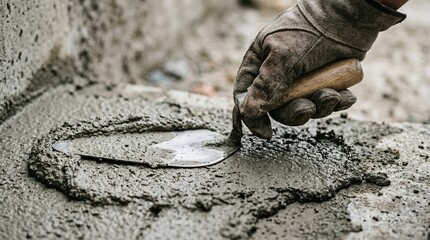
Concrete repairs involve restoring damaged concrete surfaces so they remain safe, functional, and visually appealing. Rather than replacing an entire slab or structure, repairs focus on correcting specific areas that have developed cracks, chips, surface deterioration, settlement, or other forms of damage. The goal is to improve the condition of the existing concrete while preserving as much of the original structure as possible. Repair methods vary depending on the type and severity of the damage, but every successful repair begins with identifying the underlying cause rather than simply covering the visible problem.
Concrete repairs are used in many different applications throughout residential and commercial properties. Driveways, sidewalks, patios, pool decks, garage floors, foundations, retaining walls, and parking areas may all require repairs at some point during their lifespan. Addressing damage early often prevents it from spreading into surrounding areas, allowing property owners to maintain the strength and appearance of their concrete surfaces. Timely repairs help maximize the value of the original installation while supporting long-term performance.
What Causes Concrete Damage?
Concrete damage develops for a variety of reasons, with weather being one of the most common contributing factors. Repeated exposure to rain, sunlight, temperature changes, and moisture gradually affects the surface over time. In climates where freezing temperatures occur, water that enters small cracks can expand as it freezes, causing those cracks to grow larger. Even in warmer regions, continuous exposure to moisture and heat may contribute to gradual surface wear. Environmental conditions naturally influence how concrete ages throughout its lifespan.
Ground movement also affects concrete performance. Soil beneath a slab may shift because of changing moisture levels, erosion, or natural settlement. As the supporting soil moves, sections of the concrete may settle unevenly or develop cracks under stress. Heavy vehicle traffic, tree root growth, and poor drainage can further increase pressure on concrete surfaces. Understanding these causes allows repairs to focus on solving the problem instead of only treating the visible damage.
What Are the Common Signs That Concrete Needs Repair?
Cracks are often the first indication that concrete requires attention. Hairline cracks may appear relatively minor, but they can allow moisture to penetrate deeper into the concrete, increasing the likelihood of additional damage over time. Larger or expanding cracks deserve even greater attention because they may indicate movement beneath the slab or structural stress affecting the concrete. Monitoring cracks regularly helps property owners recognize when professional evaluation may be beneficial. Early repairs often prevent more extensive deterioration.
Uneven concrete surfaces also signal that repairs may be necessary. Sidewalks, driveways, patios, or walkways that develop raised or sunken sections can create safety hazards while reducing the overall appearance of the property. Surface flaking, chipping, discoloration, and exposed aggregate may also indicate that the concrete is beginning to deteriorate. Although these conditions may initially seem cosmetic, they often become more serious if ignored. Identifying warning signs early supports better long-term maintenance.
Why Is Prompt Concrete Repair Important?
Addressing concrete damage promptly helps preserve both the structural integrity and appearance of the affected surface. Small cracks and minor imperfections rarely remain unchanged because moisture, weather, and daily use continue affecting the concrete over time. Delaying repairs often allows damage to spread into surrounding areas, increasing both the complexity and cost of future restoration. Correcting issues early helps maintain the original structure while reducing the need for more extensive replacement work later. Preventive action often provides the greatest long-term value.
Prompt repairs also improve safety throughout the property. Uneven walkways, cracked driveways, and deteriorating patios may increase the risk of trips and falls for family members, guests, or visitors. Restoring damaged concrete helps create smoother, more stable walking and driving surfaces that support everyday use. Property owners benefit from improved functionality while reducing potential safety concerns. Well-maintained concrete contributes to a safer environment for everyone.
How Does the Concrete Repair Process Work?
Every successful repair begins with a careful evaluation of the damaged area. The objective is to determine both the visible condition of the concrete and the factors that contributed to the damage. Surface cracks, settlement, drainage conditions, and surrounding soil stability all provide important information before repairs begin. Understanding the underlying cause allows the repair strategy to address long-term performance rather than simply improving appearance. Accurate assessment forms the foundation of effective concrete repair.
Once the evaluation has been completed, damaged areas are prepared before repair materials are applied. Proper surface preparation removes loose material, debris, and contaminants that could interfere with adhesion. Depending on the nature of the damage, repairs may involve filling cracks, restoring damaged surfaces, leveling uneven sections, or reinforcing affected areas. After repairs are completed, attention is given to allowing materials to cure properly so the restored concrete develops the strength needed for everyday use. Careful workmanship supports lasting results.
How Can Property Owners Help Extend the Life of Concrete?
Routine maintenance plays an important role in preserving concrete surfaces after repairs have been completed. Keeping driveways, patios, sidewalks, and other concrete areas clean helps prevent dirt, moisture, and debris from contributing to long-term surface wear. Promptly removing standing water also helps reduce unnecessary moisture exposure that may affect the concrete over time. Simple cleaning routines contribute to better long-term performance. Regular care supports both durability and appearance.
Property owners should also inspect concrete periodically for new cracks, settlement, or signs of drainage problems. Early identification allows small concerns to be corrected before they develop into larger structural issues. Maintaining proper drainage around concrete surfaces further protects the supporting soil beneath the slab. Preventive maintenance often reduces the frequency of future repairs while extending the lifespan of the original installation. Consistent attention helps preserve the investment for many years.
Can Concrete Repairs Improve Property Value?
Well-maintained concrete contributes significantly to the overall appearance and functionality of a property. Clean, level driveways, sidewalks, patios, and outdoor living spaces create a positive first impression while demonstrating responsible property maintenance. Prospective buyers often notice exterior surfaces because they influence curb appeal and indicate the overall condition of the home. Restoring damaged concrete helps strengthen this positive impression while improving the property’s visual appeal. Attractive exterior features contribute to greater long-term value.
Concrete repairs also protect future improvement projects throughout the property. Landscaping, decorative concrete finishes, outdoor seating areas, and other enhancements perform better when built upon stable, properly maintained concrete surfaces. Addressing repairs before beginning additional improvements creates a stronger foundation for future investments. Protecting existing concrete often helps maximize the value of both current and future property upgrades. Long-term maintenance supports long-term satisfaction.
Final Thoughts
Concrete repairs are an important part of maintaining safe, durable, and attractive residential and commercial properties. By addressing cracks, uneven surfaces, settlement, and other forms of damage early, property owners can extend the lifespan of existing concrete while avoiding more extensive restoration or replacement later. Understanding the causes of concrete deterioration, recognizing early warning signs, and performing routine maintenance all contribute to better long-term performance. Whether repairing a driveway, patio, sidewalk, foundation, or other concrete structure, timely repairs help preserve both functionality and appearance. Investing in proper concrete repairs today helps ensure stronger, safer, and more attractive surfaces for many years to come.