Outdoor spaces are more than just a backdrop for relaxation—they are living, evolving environments that require attention and care to remain functional, visually appealing, and resilient. One of the most effective ways to ensure that landscapes thrive year-round is to implement seasonal upgrades recommended by professional Landscape Designers Honolulu HI. These targeted improvements address challenges posed by changing weather, plant growth cycles, and wear on outdoor structures. By aligning maintenance and enhancement efforts with the natural rhythms of each season, property owners can protect soil, strengthen plant health, and extend the lifespan of both softscape and hardscape features.
Seasonal landscaping begins with understanding how environmental conditions affect different aspects of an outdoor space. During wetter seasons, excess rainfall can cause soil compaction, erosion, and poor drainage, which threatens plant roots and structural stability. In contrast, drier months increase the risk of drought stress, leaf scorch, and weakened soil nutrients. Landscape designers evaluate these seasonal dynamics and recommend upgrades that preemptively mitigate these issues, creating a more resilient environment. Properly timed interventions not only improve aesthetics but also reduce maintenance efforts and long-term repair costs.
One of the most common seasonal upgrades involves enhancing soil health. Soil is the foundation of a thriving landscape, yet its condition fluctuates with weather patterns and plant growth. Designers often recommend adding organic matter such as compost, mulch, or soil amendments to improve nutrient levels, water retention, and aeration. Mulching is particularly effective in insulating plant roots during colder months, preventing soil from freezing, and retaining moisture during hotter periods. This simple upgrade protects plants while also reducing the need for frequent watering and fertilization.
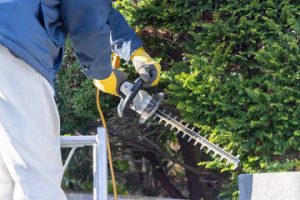
Pruning and plant management are also essential seasonal tasks. Overgrown branches, dead foliage, and crowded plant beds can compromise airflow, sunlight exposure, and overall plant health. Landscape designers advise pruning at specific times of the year to encourage stronger growth, promote flowering, and reduce the risk of disease. Proper pruning also helps maintain a clean and organized appearance, contributing to a well-maintained and visually appealing outdoor space. By strategically trimming plants according to their natural growth cycles, property owners can ensure that their landscapes remain healthy and sustainable over time.
Drainage is another critical area that benefits from seasonal attention. Improper water flow can lead to pooling, soil erosion, and structural damage, particularly in areas with heavy rainfall. Designers often recommend installing or upgrading features such as French drains, swales, or permeable surfaces to redirect water effectively. Seasonal inspections allow property owners to identify and address potential problem areas before they escalate, ensuring that outdoor spaces remain stable and functional. These upgrades are especially valuable for preserving patios, walkways, and retaining walls, which can deteriorate quickly under excessive moisture.
In addition to soil, plants, and drainage, hardscape elements also require seasonal evaluation. Patios, pathways, fences, and garden structures experience wear and tear from sun exposure, temperature changes, and precipitation. Designers suggest seasonal maintenance such as cleaning, sealing, or minor repairs to prevent long-term damage. By performing these tasks at the appropriate times, property owners can avoid costly replacements and extend the life of valuable outdoor features. This proactive approach not only protects the investment in the landscape but also maintains a polished, high-quality appearance throughout the year.
Water management is closely tied to both plant health and soil stability, making irrigation upgrades a common recommendation from landscape designers. Seasonal adjustments to watering schedules, sprinkler placement, or the installation of drip irrigation systems ensure that plants receive the right amount of moisture while minimizing waste. During the hotter months, targeted irrigation helps prevent drought stress, while in cooler seasons, reducing water usage prevents over-saturation and root rot. These improvements make the landscape more sustainable and cost-effective by reducing water consumption and protecting plants from seasonal extremes.
Plant selection itself can be a seasonal upgrade. Designers often recommend introducing seasonal plant varieties to provide color, texture, and environmental benefits throughout the year. For example, cool-weather annuals can brighten fall and winter landscapes, while heat-tolerant species thrive during summer. Incorporating a mix of perennial and seasonal plants ensures a continuous cycle of growth and renewal, reducing gaps in visual appeal and supporting ecosystem health. Strategic plant placement also enhances natural shading, wind protection, and soil stabilization, contributing to long-term durability.
Here are a few additional seasonal upgrades that landscape designers often prioritize for healthier outdoor spaces:
- Seasonal Fertilization: Applying the right type of fertilizer at the correct time promotes strong root development and optimal plant growth, preventing nutrient deficiencies that can compromise durability.
- Ground Cover and Erosion Control: Installing or refreshing ground cover plants and stabilizing materials such as gravel, stones, or low-maintenance shrubs protects soil from erosion while maintaining aesthetic appeal.
Lighting and outdoor safety features are also areas where seasonal upgrades make a significant difference. Longer nights in winter or reduced visibility during rainy periods highlight the importance of well-placed lighting. Designers often recommend reviewing and updating outdoor lighting to enhance safety, emphasize design features, and prevent wear on high-traffic pathways. Proper lighting ensures usability and enjoyment of the outdoor space year-round while complementing the landscape’s visual appeal.
Mulching and composting are further examples of environmentally conscious seasonal upgrades. Using organic material to cover planting beds not only protects soil from temperature fluctuations but also reduces weed growth and improves soil fertility over time. Composting garden waste, fallen leaves, and trimmings helps recycle nutrients, reduces waste, and creates a sustainable loop that supports ongoing plant health. These practices are both practical and eco-friendly, aligning with modern landscaping principles that prioritize sustainability and resource efficiency.
Landscape designers also consider long-term structural improvements when recommending seasonal upgrades. Retaining walls, terraces, and raised garden beds may need reinforcement to handle seasonal stress, particularly in areas prone to heavy rain, frost, or soil shifting. Regular inspections and minor adjustments help maintain stability and prevent costly repairs. Designers advise using durable materials, proper drainage techniques, and strategic plantings to enhance the longevity of these structures. These measures protect both the functionality and visual integrity of the landscape.
Another important aspect of seasonal upgrades is pest and disease management. As the climate changes, certain pests and plant diseases become more prevalent, threatening both plant health and landscape durability. Designers often recommend seasonal monitoring, organic treatments, and preventative measures to reduce infestations and minimize damage. These strategies protect investments in plantings, prevent the spread of disease, and reduce the need for chemical interventions that may have negative environmental impacts.
The value of seasonal upgrades also extends to the overall lifestyle and usability of outdoor spaces. Properly maintained and refreshed landscapes create comfortable environments for recreation, entertaining, and relaxation. Seasonal upgrades such as pruning for visibility, adding shade trees, or optimizing seating areas improve accessibility and enjoyment. By planning around seasonal cycles, designers ensure that outdoor spaces remain both functional and inviting throughout the year, increasing their practical and aesthetic value.
Here are a few additional seasonal enhancements that can provide lasting benefits:
- Protective Mulch Layers Before Winter: Applying a thick mulch layer around sensitive plants prevents frost damage and maintains soil structure during freezing temperatures.
- Seasonal Irrigation Adjustments: Updating irrigation schedules to match rainfall and temperature patterns improves water efficiency and reduces stress on plants during extreme weather conditions.
Sustainability is another key consideration that informs seasonal upgrades. By incorporating drought-tolerant plants, efficient watering systems, and natural soil amendments, designers create landscapes that are both environmentally responsible and resilient. These upgrades not only support long-term plant health but also reduce the property’s overall environmental footprint, making it more sustainable and cost-effective in the long run. Sustainable seasonal upgrades contribute to resource conservation while enhancing the beauty and function of outdoor spaces.
In addition, layering plantings and using multi-functional features are strategies recommended by designers for year-round durability. Layered vegetation provides wind protection, reduces soil erosion, and supports biodiversity, while features like raised beds or terraced gardens improve water retention and usability. These strategies work in harmony to create landscapes that withstand seasonal stressors, thrive naturally, and remain visually appealing without requiring constant intervention.
Communication between property owners and landscape designers is crucial for maximizing the effectiveness of seasonal upgrades. Designers tailor recommendations to the property’s specific conditions, including soil type, sunlight exposure, climate patterns, and existing vegetation. This personalized approach ensures that upgrades address both immediate needs and long-term goals, creating outdoor spaces that are not only healthier and more durable but also aligned with the property owner’s lifestyle and vision.
Ultimately, seasonal upgrades recommended by professional landscape designers provide a strategic approach to creating healthier and more resilient outdoor spaces. By focusing on soil health, plant management, drainage, structural integrity, and sustainability, property owners can extend the lifespan of their landscapes while enhancing aesthetic appeal and usability. These targeted improvements reduce maintenance challenges, prevent costly repairs, and create environments that adapt gracefully to changing seasons.
In conclusion, adopting seasonal upgrades as part of a comprehensive landscaping strategy transforms outdoor spaces from static areas into dynamic, thriving environments. Through careful planning, strategic intervention, and ongoing evaluation, landscape designers help property owners protect their investments, strengthen natural systems, and maximize both functionality and visual appeal. These thoughtful upgrades ensure that outdoor spaces remain healthy, durable, and enjoyable throughout the year, proving that seasonal care is an essential component of smart, long-term landscape management.