Author: Miya Fowler

What Is Water Damage Repair and Why Is It Important?

Water Damage Repair

The sound of dripping water or the sight of a damp ceiling can instantly change a homeowner’s day. What may begin as a minor leak often develops into a much larger problem if it is left untreated. Water can quietly spread through walls, floors, and ceilings, damaging materials that are not immediately visible. By the time obvious signs appear, the affected area may already require extensive repairs. That is why understanding water damage repair is essential for anyone who wants to protect their property and avoid unnecessary expenses.

Salt Lake Water Damage Repair is not simply about replacing damaged materials or cleaning up after a leak. It is a structured process that restores a property’s safety, stability, and appearance after water intrusion. Proper repairs help prevent mold growth, preserve structural integrity, and reduce the risk of future damage. Learning how water damage repair works and why it matters can help homeowners respond quickly when unexpected water problems occur and make informed decisions throughout the restoration process.

Understanding What Water Damage Repair Involves

Water damage repair is the process of fixing and restoring parts of a property that have been damaged by unwanted water. The repair process begins after the source of the water has been identified and stopped. Before repairs can start, the affected areas must be inspected, cleaned, and completely dried to prevent additional problems. Once moisture has been eliminated, damaged materials can be repaired or replaced depending on their condition.

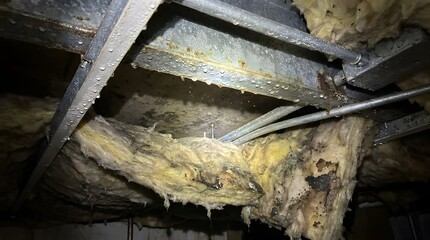
Repair work may involve restoring drywall, flooring, ceilings, insulation, trim, cabinets, or structural components that have been affected by water. The exact repairs depend on how much water entered the property, how long it remained, and which building materials were exposed. Every water damage situation is different, which is why the repair process is carefully tailored to the specific needs of the property. The goal is to return the home to a safe, functional, and visually appealing condition.

Water damage repair also focuses on preventing future issues. Simply covering visible damage without addressing hidden moisture can lead to recurring problems. Thorough repairs ensure that every affected area has been properly restored so the property remains protected over the long term.

Common Causes of Water Damage

Water damage can happen in almost any property regardless of its age. Plumbing leaks are among the most common causes because pipes may develop cracks, loose fittings, or corrosion over time. Water heaters, washing machines, dishwashers, and refrigerators can also leak unexpectedly due to worn components or mechanical failures. Even a slow drip can cause significant damage if it continues unnoticed for several weeks.

Roof damage is another frequent source of water intrusion. Missing roofing materials, damaged flashing, or clogged gutters may allow rainwater to enter the home and affect ceilings, walls, and insulation. Poor drainage around the foundation can also contribute to water entering lower levels of a property during heavy rainfall. Identifying these potential sources early helps reduce the likelihood of major water damage.

Natural events and accidental overflows can create additional risks. Overflowing sinks, broken water supply lines, and plumbing backups may release large amounts of water in a very short period. Regardless of the cause, responding quickly is essential because water continues causing damage the longer it remains inside the home.

Why Immediate Water Damage Repair Is So Important

Delaying water damage repair often allows relatively minor problems to become much more serious. Moisture continues moving through porous building materials, weakening drywall, wood, and insulation over time. Flooring may begin to warp, ceilings can sag, and paint may peel as moisture spreads throughout the property. Acting quickly limits the amount of damage and often reduces the overall cost of repairs.

Prompt repairs also help prevent mold growth. Mold can begin developing within a relatively short period when moisture remains trapped inside enclosed spaces. Once mold becomes established, it can spread into walls, flooring, and other hidden areas that require additional cleanup and restoration. Eliminating moisture quickly creates conditions that discourage mold from developing.

Another reason immediate repairs are important is to maintain the structural stability of the home. Wood framing, support beams, and subfloor materials may gradually weaken after prolonged exposure to moisture. Addressing water damage early helps preserve these structural components and reduces the risk of more extensive reconstruction later.

The Water Damage Repair Process

Successful water damage repair follows several important stages that work together to restore the property. The process begins with a thorough inspection to determine the extent of the damage. Moisture is carefully evaluated throughout the affected areas to identify visible and hidden water. Understanding the full scope of the damage allows repairs to be planned more accurately.

Once the inspection has been completed, standing water is removed and the drying process begins. Air movement and humidity control help eliminate moisture trapped inside building materials. Drying must continue until acceptable moisture levels have been reached throughout the affected areas. This step is critical because rebuilding over damp materials can create future problems.

After drying has been completed, repair work focuses on restoring damaged materials. Depending on the severity of the damage, this may include replacing drywall, installing new flooring, repairing ceilings, repainting surfaces, or rebuilding sections of the property. Every repair is intended to restore both the appearance and functionality of the home while ensuring long lasting results.

The Benefits of Professional Water Damage Repair

Proper water damage repair offers benefits that extend well beyond improving appearance. Thorough repairs help restore the home’s structural integrity by addressing hidden damage that may not be immediately visible. Drying affected materials completely before rebuilding reduces the likelihood of future deterioration and creates a more durable repair.

Indoor air quality also benefits from proper water damage repair. Moisture left inside walls or flooring can encourage mold growth and create musty odors that affect everyday comfort. Removing hidden moisture and repairing damaged materials helps create a healthier indoor environment for everyone living in the home. Maintaining dry conditions also discourages additional microbial growth in the future.

Professional repair methods also help preserve property value. Water damage that has been fully repaired is less likely to create recurring issues that may affect future inspections or resale opportunities. Thorough restoration provides homeowners with confidence that the property has been properly repaired and protected against long term damage.

How Homeowners Can Reduce Future Water Damage

Although some water damage incidents cannot be prevented, regular maintenance significantly lowers the risk of major problems. Inspecting plumbing fixtures, appliances, and water supply connections helps identify small leaks before they become costly emergencies. Looking for water stains, peeling paint, or musty odors can also reveal hidden moisture that requires attention.

Maintaining the roof and drainage systems is equally important. Cleaning gutters, checking roof materials for damage, and ensuring that water flows away from the foundation all help reduce the risk of water entering the property. Keeping these systems in good condition supports better protection during periods of heavy rainfall.

Homeowners should also know where the main water shutoff valve is located. In the event of a burst pipe or plumbing emergency, shutting off the water supply quickly can significantly reduce the amount of damage. Preparing for unexpected situations and performing routine inspections are among the most effective ways to protect a home from future water damage.

Long Term Protection Through Proper Water Damage Repair

Water damage repair should never be viewed as a temporary solution. A complete repair process provides lasting protection by ensuring that moisture has been fully removed before rebuilding begins. This careful approach helps prevent hidden deterioration that may otherwise continue developing behind finished surfaces.

Proper repairs also reduce the likelihood of repeated restoration work. Addressing the entire affected area rather than only visible damage creates more reliable and durable results. Homeowners benefit from fewer future repairs, improved structural stability, and greater peace of mind knowing that the property has been restored correctly.

Long term protection depends on both quality repairs and ongoing maintenance. Continuing to monitor the home for signs of leaks and addressing small problems promptly helps preserve previous repair work. Combining preventive care with thorough water damage repair supports a safer, healthier, and more resilient home for years to come.

Conclusion

Water damage repair is an essential process that restores a property’s safety, appearance, and structural integrity after water intrusion. By removing moisture, repairing damaged materials, and addressing hidden issues, it helps prevent mold growth, structural deterioration, and costly future repairs. Acting quickly after discovering water damage significantly improves the chances of limiting damage and preserving valuable building materials. Understanding the importance of water damage repair encourages homeowners to respond promptly, maintain their property carefully, and protect their investment from the long term effects of unwanted water.
Common Metal Fabrication Techniques Explained: A Complete Beginner’s Guide

Metal Fabrication

Metal fabrication is a critical manufacturing process used to create everything from structural steel components and industrial machinery to decorative railings, gates, staircases, and custom architectural features. Behind every finished metal product is a series of specialized fabrication techniques that shape, cut, join, and finish raw materials into durable, functional products. Understanding these methods helps homeowners, business owners, contractors, and designers make better decisions when planning projects that require custom metalwork. Although every fabrication project is unique, most rely on a combination of well-established techniques that have been refined over many years. Learning about common metal fabrication techniques from 83MetalCraft LLC provides valuable insight into how high-quality metal products are produced.

What Is Metal Fabrication?

Metal fabrication is the process of transforming raw metal materials into finished products through a variety of manufacturing techniques. Instead of producing raw metal itself, fabrication focuses on modifying existing sheets, plates, bars, pipes, and structural sections to create usable components. Every project begins with planning, measurements, and engineering before fabrication work starts. The goal is to produce parts that meet precise specifications while maintaining strength, durability, and visual appeal. Accurate fabrication is essential for both structural performance and product quality.

Modern fabrication serves many industries, including construction, transportation, manufacturing, agriculture, energy, and residential improvement. Fabricated metal products can range from simple brackets and frames to complex staircases, industrial equipment, and decorative architectural features. Skilled fabricators combine technical knowledge with specialized machinery to produce components that fit together accurately. Every stage of fabrication contributes to the overall quality of the finished product. Precision and consistency remain essential throughout the process.

How Does Metal Cutting Work?

Cutting is one of the most fundamental metal fabrication techniques because nearly every project begins by reducing raw materials to the required size and shape. Fabricators use different cutting methods depending on the material type, thickness, accuracy requirements, and desired edge quality. Mechanical saws, shears, plasma cutters, laser cutting systems, and waterjet machines each offer advantages for different applications. Selecting the right cutting method helps reduce waste while improving production efficiency. Accurate cutting provides the foundation for every successful fabrication project.

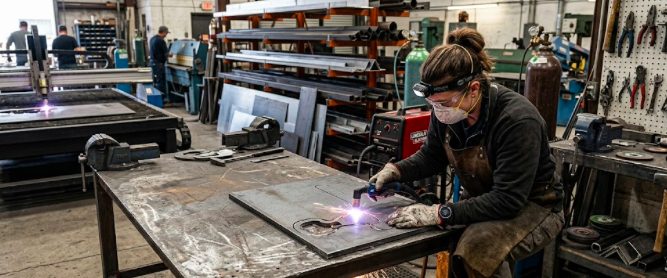
Modern cutting technology has significantly improved fabrication precision. Laser cutting produces extremely clean edges with tight tolerances, making it ideal for decorative panels and detailed components. Plasma cutting is often selected for thicker steel because it offers speed and efficiency for structural applications. Waterjet cutting uses high-pressure water combined with abrasive materials to cut metal without generating heat, making it suitable for temperature-sensitive projects. Each cutting method serves a valuable role depending on the project’s specific requirements.

Why Is Metal Bending Important?

Metal bending allows flat sheets or structural components to be formed into three-dimensional shapes without removing material. Press brakes and specialized forming equipment apply controlled force to create accurate bends that match engineering specifications. This process is widely used for brackets, frames, enclosures, stair components, handrails, and many structural applications. Proper bending strengthens many fabricated parts while reducing the need for additional welded connections. Precision bending contributes to both structural integrity and efficient production.

The success of the bending process depends on several factors, including material thickness, bend radius, metal type, and equipment settings. Excessive force may damage the material, while insufficient pressure can produce inaccurate dimensions. Skilled operators carefully calculate each bend to ensure consistent results throughout the project. Advanced computer-controlled equipment further improves accuracy by minimizing variations between individual parts. Reliable bending supports efficient assembly during later fabrication stages.

How Does Welding Join Metal Components?

Welding is one of the most recognizable metal fabrication techniques because it permanently joins separate metal components into a single structure. During welding, heat is used to melt the edges of adjoining pieces so they fuse together as they cool. Different welding processes are available depending on the material, joint configuration, and performance requirements. Proper welding creates strong, durable connections capable of supporting significant structural loads. High-quality welds are essential for safety and long-term reliability.

Several welding methods are commonly used throughout the fabrication industry. MIG welding is valued for its speed and versatility, making it popular for general fabrication work. TIG welding produces exceptionally clean, precise welds that are often used on stainless steel, aluminum, and decorative metal projects. Stick welding performs well in outdoor environments where wind may interfere with shielding gases. Choosing the correct welding technique ensures the finished product meets both strength and appearance requirements.

What Is Metal Machining?

Machining is a fabrication technique that removes small amounts of material to create highly accurate dimensions and smooth finished surfaces. Lathes, milling machines, drills, and computer-controlled machining centers shape metal parts that require precise tolerances. Unlike cutting, which primarily separates material into larger sections, machining focuses on refining individual components to exact specifications. This process is commonly used for mechanical parts, fastener holes, bearing surfaces, and precision fittings. Accurate machining supports proper assembly and dependable operation.

Computer numerical control, often referred to as CNC machining, has greatly improved manufacturing consistency. CNC equipment follows programmed instructions that produce identical parts with remarkable accuracy. Automated machining reduces human error while increasing production efficiency for both small and large manufacturing runs. Precision machining is especially valuable when components must fit together with very little tolerance. Reliable machining contributes to higher overall product quality.

Why Are Finishing Techniques Important?

Finishing is the final stage of many fabrication projects and plays an important role in both appearance and durability. After fabrication is complete, metal surfaces may be cleaned, polished, sanded, painted, powder coated, galvanized, or treated with protective finishes. These processes improve corrosion resistance while enhancing the product’s overall visual appeal. Surface finishing also removes rough edges, weld discoloration, and fabrication marks that remain after manufacturing. A quality finish completes the fabrication process.

Protective finishes help fabricated products withstand moisture, sunlight, chemicals, and everyday wear. Powder coating creates a durable protective layer available in many colors and textures, while galvanizing protects steel through a zinc coating that resists corrosion. Polishing creates decorative finishes commonly seen on stainless steel architectural products. Selecting the appropriate finish depends on the product’s intended environment and performance requirements. Proper finishing extends product lifespan while reducing future maintenance.

How Do Fabrication Techniques Work Together?

Although each fabrication technique serves a different purpose, most projects rely on several methods working together to produce the finished product. A typical fabrication project may begin with cutting raw materials before bending structural sections into the required shapes. Components are then machined where precision is required, welded into larger assemblies, and finally finished with protective coatings or decorative treatments. Every stage builds upon the accuracy of the previous step. Successful fabrication depends on careful coordination throughout the manufacturing process.

Planning plays an equally important role in ensuring each fabrication technique is performed efficiently. Engineering drawings, material selection, quality inspections, and production scheduling all influence the final outcome. Skilled fabricators evaluate every project individually to determine which combination of fabrication methods provides the best balance of strength, efficiency, appearance, and cost. A coordinated approach minimizes waste while maximizing product quality. Careful planning supports successful fabrication from start to finish.

How Can Understanding Fabrication Techniques Help Property Owners?

Understanding common metal fabrication techniques helps property owners make better decisions when planning custom projects. Knowing how materials are cut, formed, welded, machined, and finished allows clients to better appreciate the craftsmanship involved in producing custom gates, staircases, railings, structural components, and architectural features. This knowledge also improves communication during the design process because expectations become clearer from the beginning. Informed decisions often lead to better project outcomes. Education supports successful collaboration.

An understanding of fabrication methods also helps property owners evaluate long-term value rather than focusing only on the initial price. Quality fabrication techniques contribute to stronger products, improved durability, reduced maintenance, and better overall performance throughout the product’s lifespan. Investing in well-fabricated metal components often provides lasting benefits that extend far beyond installation. Careful craftsmanship remains one of the most important factors in every successful metal fabrication project. High-quality fabrication delivers dependable results for years to come.

Final Thoughts

Metal fabrication combines multiple specialized techniques to transform raw materials into durable, functional, and visually appealing products. Cutting, bending, welding, machining, and finishing each play an essential role in producing high-quality metal components for residential, commercial, and industrial applications. Understanding how these common metal fabrication techniques work together helps property owners appreciate the craftsmanship behind custom metal products while making informed project decisions. Whether creating structural steel, decorative railings, gates, or architectural features, skilled fabrication remains the foundation of reliable and long-lasting metalwork.

Crafting Outdoor Spaces with Expert Deck Building Contractors

Deck building contractors transform outdoor areas into functional retreats. A well-designed deck enhances aesthetics, utility, and property value. Contractors combine expertise with experience to deliver quality results. Customization ensures each project meets the homeowner’s vision.

Deck Building

Material selection is critical for durability. Wood, composite, and metal each offer unique benefits. Proper choice balances maintenance, cost, and style. Experts guide clients to make informed decisions for long-term satisfaction. Contact Deck Builders Franklin TN for professional help.

Decks must be designed for safety and stability. Proper foundation, joists, and fasteners prevent accidents. Contractors adhere to building codes and regulations. Structural integrity ensures the deck lasts for decades.

Outdoor environments affect material longevity. Exposure to sun, rain, and temperature fluctuations causes wear. Contractors consider local conditions when planning projects. Preventive measures reduce maintenance needs and extend lifespan.

Design considerations extend beyond functionality. Aesthetic integration with the home’s architecture is essential. Color, shape, and railing choices influence overall appeal. Contractors ensure the deck complements the surrounding landscape.

Deck building often involves leveling and grading the site. Uneven ground requires preparation to prevent water pooling or instability. Contractors use precise measurements and techniques. Proper groundwork guarantees a solid, long-lasting structure.

Special features enhance deck usability. Built-in seating, planters, and lighting create versatile spaces. Shade structures and pergolas improve comfort. Contractors incorporate features seamlessly into the design.

Maintenance planning begins during construction. Proper sealing, staining, or coating protects surfaces. Contractors provide guidance for routine upkeep. Preventive care preserves aesthetics and structural integrity.

Decks can increase property value significantly. Functional, attractive outdoor spaces appeal to buyers. Professional construction ensures quality craftsmanship. Investment in expert building pays off in both enjoyment and resale potential.

Accessibility is a key design consideration. Stairs, ramps, and railings accommodate all users safely. Contractors incorporate universal design principles when needed. Inclusive design ensures comfort for everyone.

Water management prevents long-term damage. Drainage systems divert water away from foundations. Proper planning prevents rot, mold, and erosion. Contractors address both aesthetics and functionality in solutions.

Deck building contractors also address environmental considerations. Sustainable materials reduce ecological impact. Reclaimed or responsibly sourced wood supports eco-friendly construction. Contractors prioritize practices that benefit both clients and the planet.

Lighting design improves usability and ambiance. Pathway lights, integrated fixtures, and accent lighting enhance safety and atmosphere. Contractors combine functionality with aesthetics. Well-lit decks create inviting spaces for day and night.

Storage solutions integrate efficiently with deck layouts. Hidden compartments, under-deck storage, and multi-purpose benches optimize space. Functional storage enhances usability. Contractors incorporate these features without compromising design.

Multi-level decks expand usable space creatively. Split levels and terraces provide separation for different activities. They also improve visual appeal and dimension. Contractors design transitions to be safe and attractive.

Material finishing influences both beauty and durability. Smooth sanding, staining, or composite finishing resists wear. Protective coatings reduce fading and damage. Contractors ensure finishes enhance performance and aesthetics.

Deck orientation affects sun exposure and comfort. South-facing decks receive maximum sunlight, while shaded areas offer relief. Proper planning balances light, shade, and privacy. Contractors consider seasonal changes in design.

Railing systems contribute to both safety and style. Wood, metal, or glass railings provide different visual impacts. Secure fastening prevents accidents. Contractors select and install railings to match design and code requirements.

Deck size depends on intended use. Large entertainment decks differ from small, intimate spaces. Contractors assess client goals to optimize layout. Efficient space planning ensures comfort and functionality.

Foundation choices affect long-term stability. Concrete footings, piers, or deck blocks support the structure. Contractors ensure foundations are level and properly anchored. Correct installation prevents settling and structural issues.

Decks can integrate seamlessly with landscaping. Steps, planters, and pathways connect outdoor areas cohesively. Contractors collaborate with landscape designers if needed. Integration enhances both form and function.

Privacy solutions improve comfort and usability. Screens, lattice panels, and plantings shield from neighbors and wind. Contractors design privacy elements without restricting light or openness. Well-planned solutions create personal outdoor sanctuaries.

Seasonal preparation prolongs deck life. Protective coverings, sealing, and routine cleaning reduce weather-related damage. Contractors educate clients on seasonal maintenance strategies. Proactive care preserves aesthetics and safety year-round.

Deck contractors coordinate permits and inspections. Compliance with local codes ensures legality and safety. Timely approvals prevent project delays. Professionals handle bureaucracy efficiently, simplifying the process for clients.

Specialty decks cater to unique needs. Rooftop decks, poolside decks, and floating structures require expert planning. Contractors adapt construction techniques to specific environments. Customized solutions provide both safety and visual appeal.

Innovations in materials offer low-maintenance alternatives. Composite decking, PVC, and treated woods reduce upkeep. They resist rot, warping, and insect damage. Contractors guide selection based on durability and aesthetics.

Decks can include multi-functional spaces. Dining areas, lounges, and entertainment zones increase versatility. Contractors design layouts that accommodate multiple activities. Thoughtful planning maximizes outdoor living potential.

Structural bracing improves resilience. Cross-bracing, joist spacing, and fastener quality ensure longevity. Contractors implement designs to withstand environmental stress. Strong frames prevent sagging or failure over time.

Contractors often offer design consultations. 3D modeling and sketches visualize outcomes. Clients make adjustments before construction begins. Collaboration ensures satisfaction and reduces costly changes during building.

Deck lighting enhances evening usability. LED strips, solar lights, and integrated fixtures create ambiance. Safety features illuminate stairs and walkways. Contractors balance aesthetics with functional illumination.

Water features can be incorporated seamlessly. Fountains, ponds, or hot tubs enhance atmosphere. Contractors ensure proper structural support for added weight. Integration combines beauty and engineering.

Deck building contractors also handle repairs and restoration. Aging or damaged decks require careful attention. Replacement of boards, railings, and foundations restores safety. Maintenance prolongs the life of existing outdoor structures.

Client education supports long-term deck performance. Guidance on cleaning, staining, and inspection ensures durability. Contractors provide easy-to-follow maintenance schedules. Well-informed owners preserve both function and beauty.

Outdoor kitchens and fire pits increase functionality. Decks become entertainment hubs. Contractors ensure compliance with safety codes. Design combines lifestyle and structural integrity seamlessly.

Decks influence property aesthetics and curb appeal. Well-designed spaces attract attention and admiration. Contractors integrate style and practicality. A professionally built deck elevates both appearance and usability.

In essence, deck building contractors combine skill, design knowledge, and craftsmanship. They create durable, beautiful, and functional outdoor spaces. Customization, safety, and sustainability guide every project. Professional expertise transforms visions into lasting reality.

Navigation